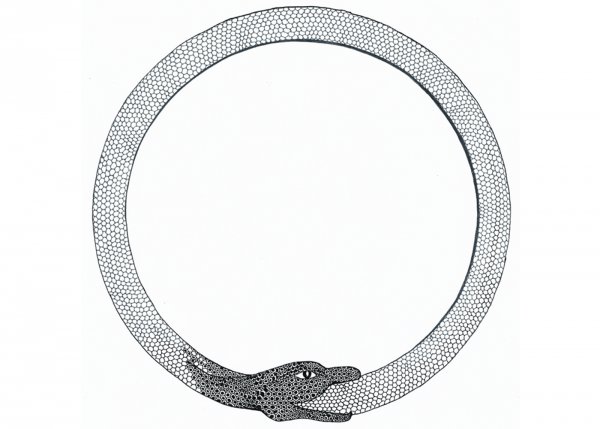
“The entirety was divided lengthways into two parts, joined to one another at the centre like the letter X, and bent into a circular form, connecting them with themselves and each other…”
 Plato, Timaeus (36b)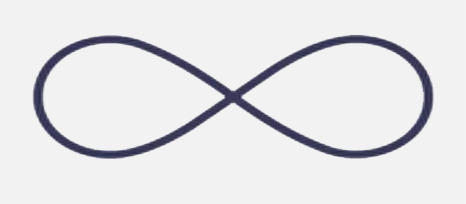
Sign of Life : A Riddle and a Rhyme 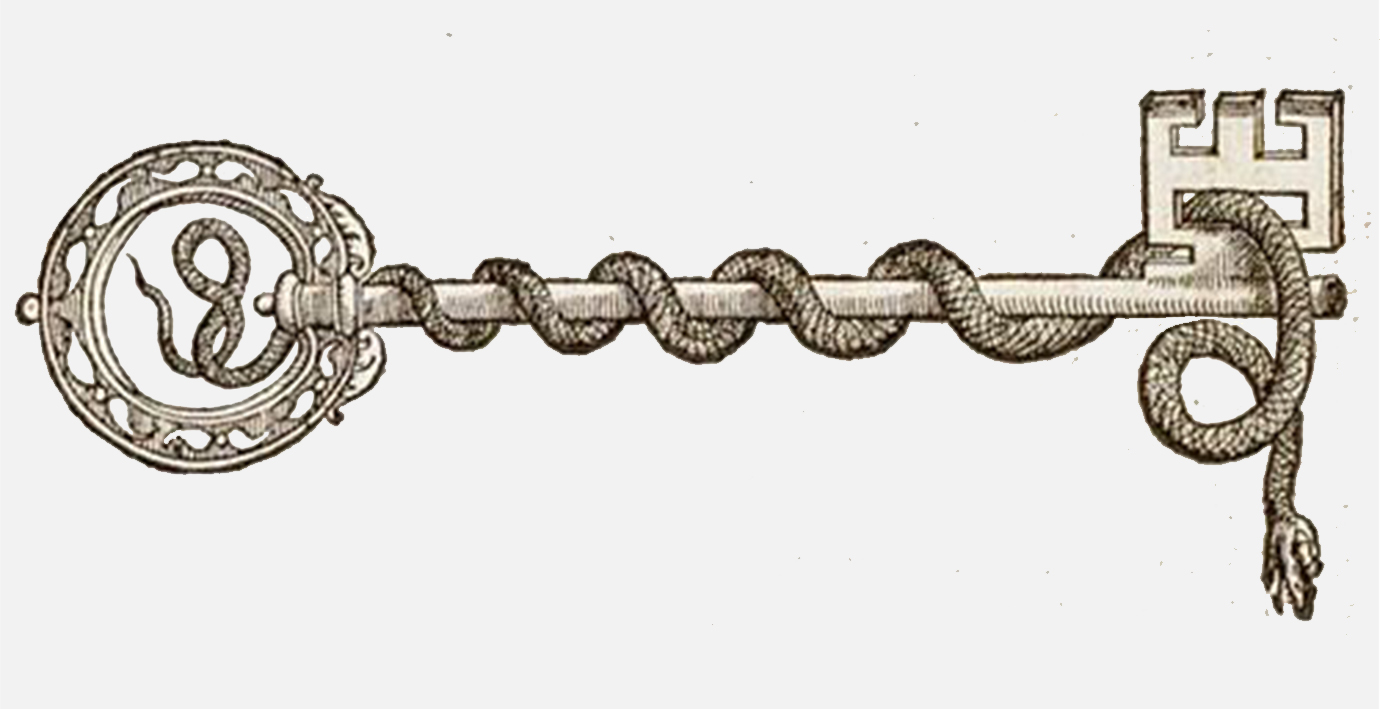
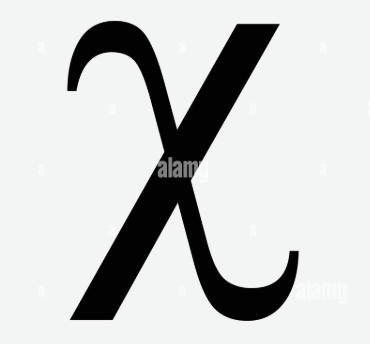 The Crux of the Mater : Somewhere at a Crossroad
Encountering its visage, the spectacle of its sign; its beguiling form in-guise a riddle – confronted by our serpent’s spine…
Imagin-ations once provoked (and somehow as our question’s “sign”); we take our mental stabs at meaning – enticed to solve its reason’s rhyme…
To ponder the entangled form and “figure” out its clew.
“What” – it is ..? 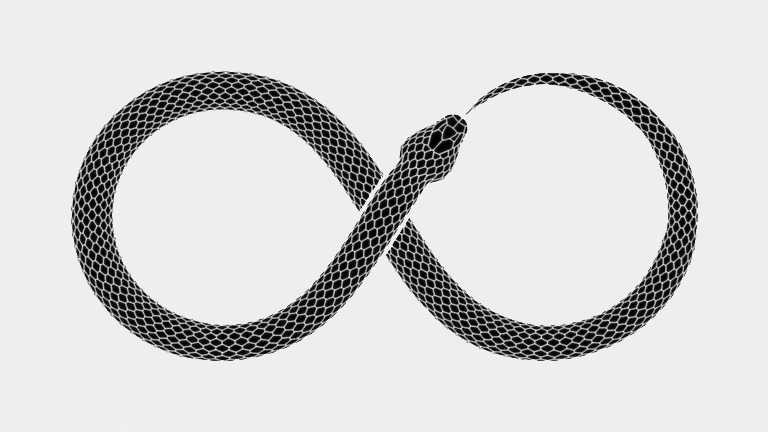 And that which “appears” to be happening …
In-the-form of our incisive “crux” – where the head and its tail are in-volving.
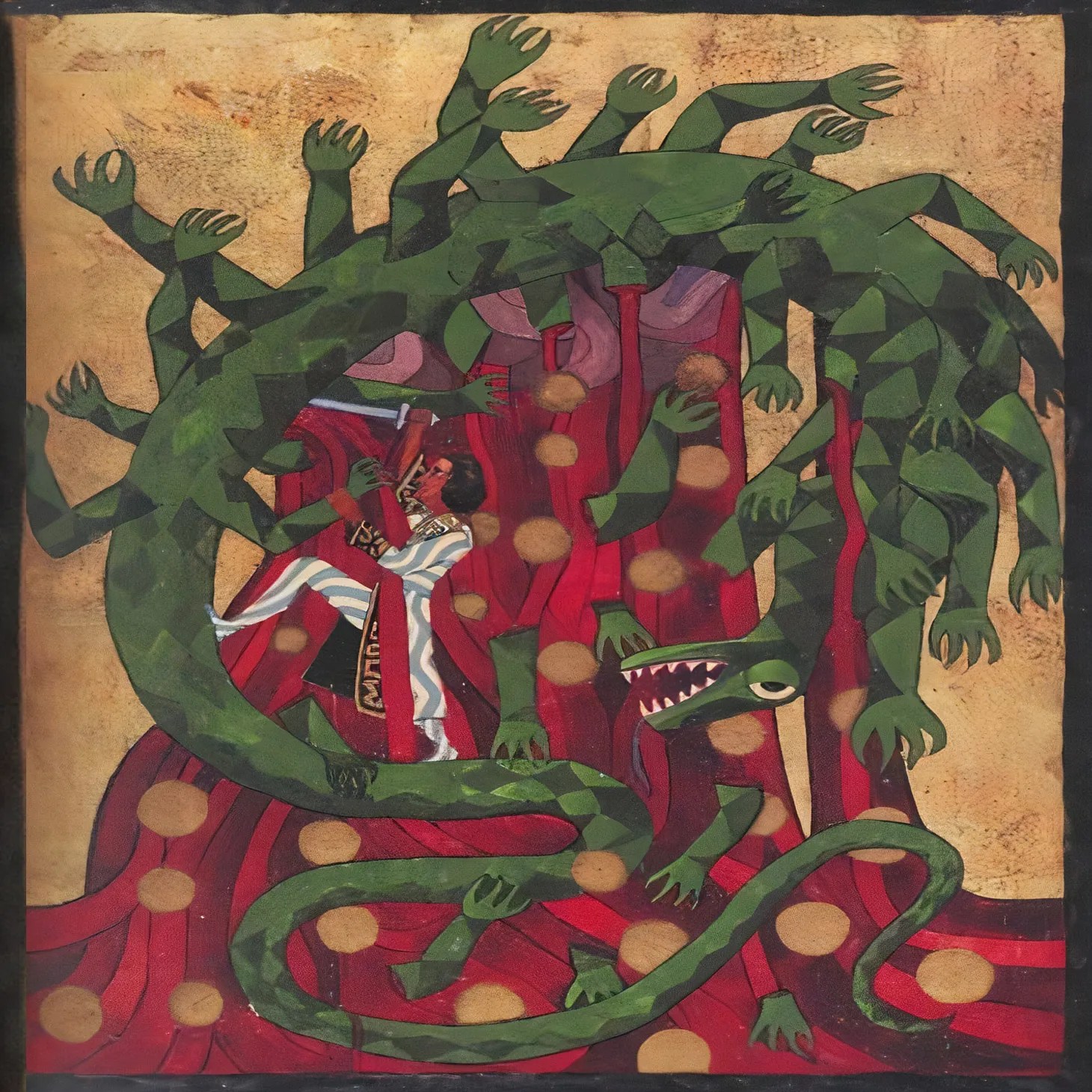
The deeper we look – the more involved one becomes.

Now the serpent was more subtle than any beast of the field…
– Genesis 3:1

Nosce Te Ipsum; a Forgotten Knowledge (the Greek key)
X Marks the Spot
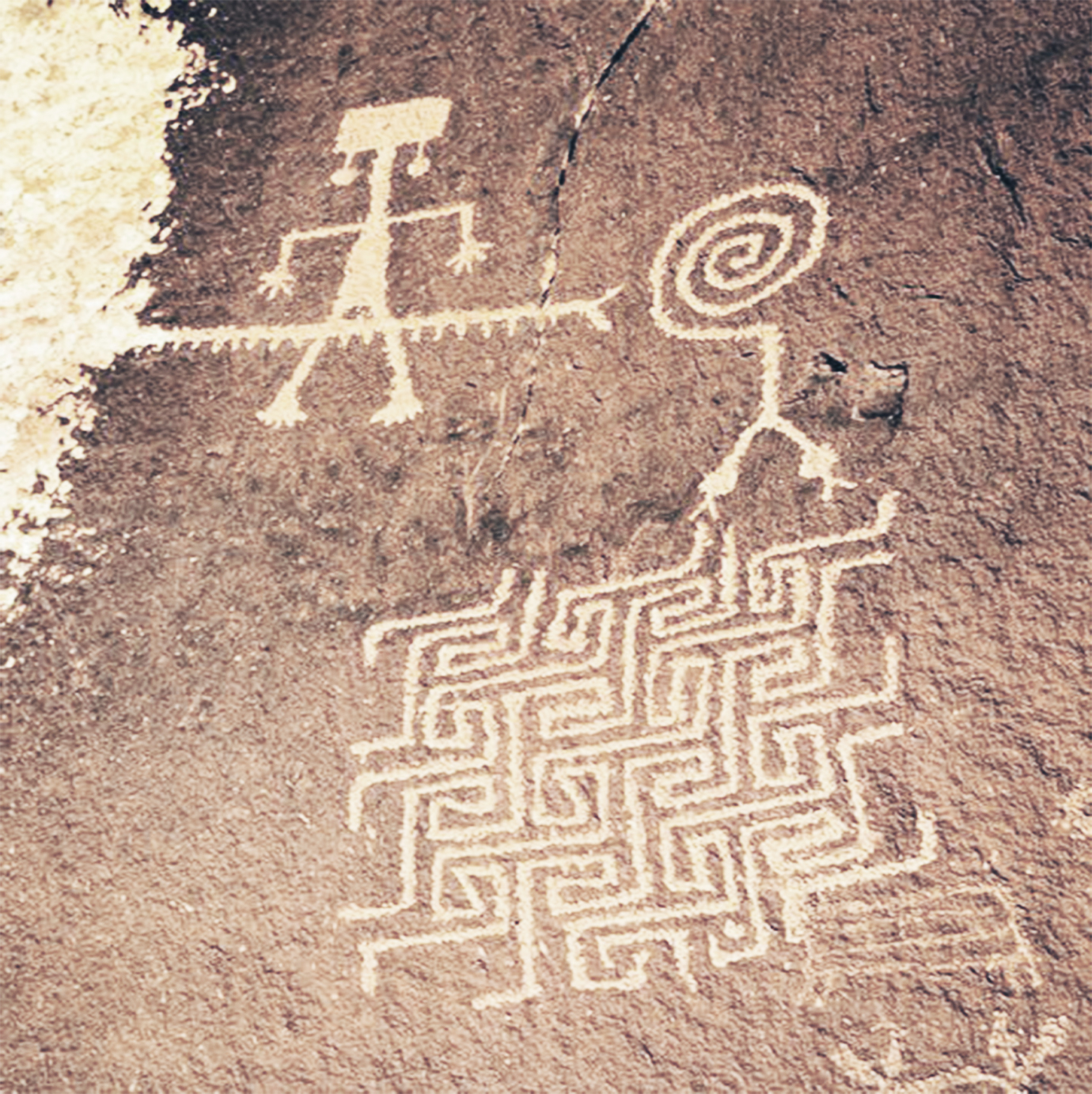 An ancient sign of uncertain origin – “ouroboros” in Hellenistic Greek means “tail-eater”. Having once been regarded as a vital (or numinous) sigil – a sign of life per se – even to the Hermetic philosophers of late antiquity (who probably coined the term), the circular form of the serpent’s sign was already considered timeless… Much like Chronos (“time”) of the Orphic Greeks, El Olam (“the eternal”) of the Phoenicians, or the Hellenistic Aion (“eternity”) to name but a few, like a proverbial “ancient of days” – the serpent was considered something that was old as time itself… Or to put it somehow mythically: According to our ancestors – its figure is as old as our human ability to reckon “time” as such (in reference to ourselves, that is) – which would make it the stuff of memory… Which would also mean to say – that humanly speaking (being somehow “there” since our beginning) – any kind of reference to our serpent’s sign (being “relative” to us) would make it rather old indeed.
A LIFE OF “IT’S OWN”: THE SIGN THAT SIGNIFIES THE SIGNIFIER SIGNIFYING “ITSELF”
Both perennial and timeless, the sign of the ouroboros was a fitting image for the “living form”; as the living image – to the science of “its time” – its mercurial emblem was a universal token for the animating principle… And as the “universal” symbol for our consciousness – to scholars of the time – the serpent’s tail-eating form came to aptly signify the nexus… Through the riddle of its visage (the curious construction of its elegant design), its sign could somehow “characterize” the curios relations of being to becoming as an intimate relationship between space & time.
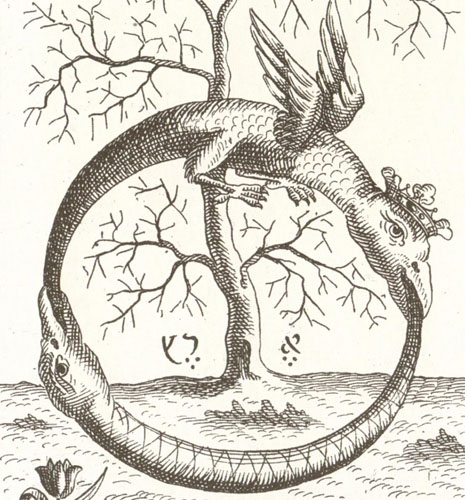 Therefore – like its proverbial ancient ancestor – that “snake upon a pole” of old – the banner of its aegis became a fitting sign for the indeterminable totality of our conscious/unconscious continuum; that “thing” which all-together we call life… While likewise so it was – referring to one’s aware “ness” (as a living individual) – that both a “sleep” or “a-wake” – the sign of the ouroboros became equally a short-hand for the frame of reference “person-ified”. And being such that it is for both (a repre-sentative sign for the presence of a viewer) – by being somehow “in the end” – its tail-eating form could uniquely characterize the conscious exper-ience of mortal existence.
NOW RIDDLE THIS 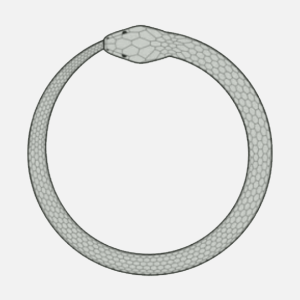
THE CLEW TO AN ENIGMA: WHAT WALKS ON FOUR IN THE MORNING, TWO AT NOON, AND THREE BY EVENING?
As a tutelary figure (much like our picture of the Möbius) – somehow “on its face” – the rubric of the ouroboros is a self-referring construct. And to receive somehow its boon (the unlocking of its cipher) – something like a mirror – one must stand before its sign and be “confronted” by the semblance of its visage. Storied figure that it was – our serpent’s “tail” reads something like a re-ference to the fable of the Sphinx (whose name in Greek means “strangler”)… And as its form is pondered (or so the story goes) the “situation” in which we find ourselves – “looks” – something like this: A creature’s puzzling image is posed to the viewer – as “the form of a question”…* And while referring to the querent (so the riddle goes ) – as we interrogate “its sign” – we somehow “find” – that we are “caught” within the gaze of an imaginary beast; something like the hero in a maze (being some “thing” like a palindrome)… And being someway like a Theseus to our hapless young Oedipus (who somehow find them “selves”confronted by a hybrid) – we solve the “riddle of the sign” – to gain the “clew” to its enigma… Which would also mean in some odd way – that “the picture it portrays” – is nothing but a “knowledge” of its “question”…
With its answer – for the moment – being “man”… 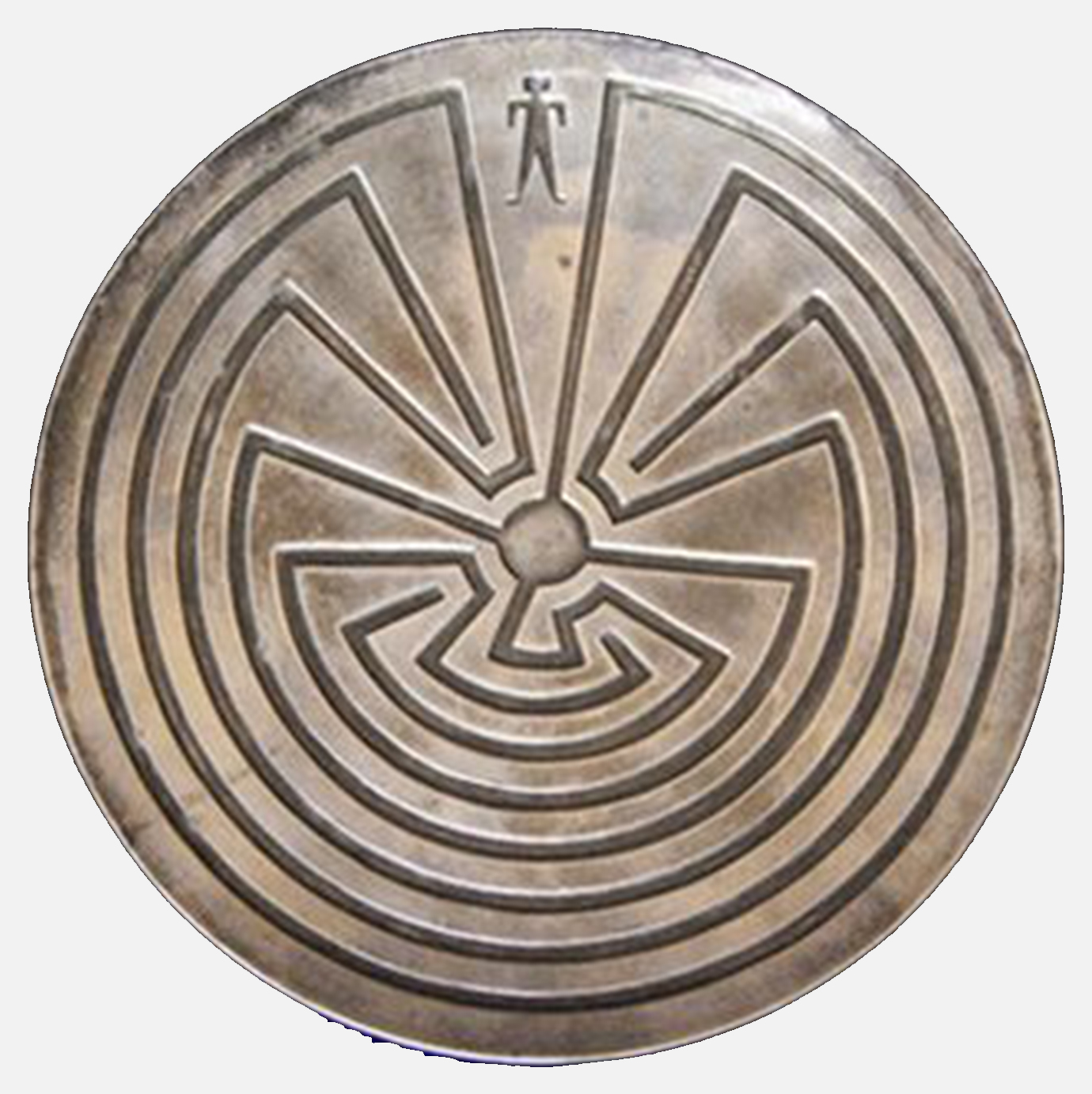
 (The Greek Key)
Continue on to Chapter 5: “The Problem with a Purpose”

Oedipus and the riddle of the Sphinx

